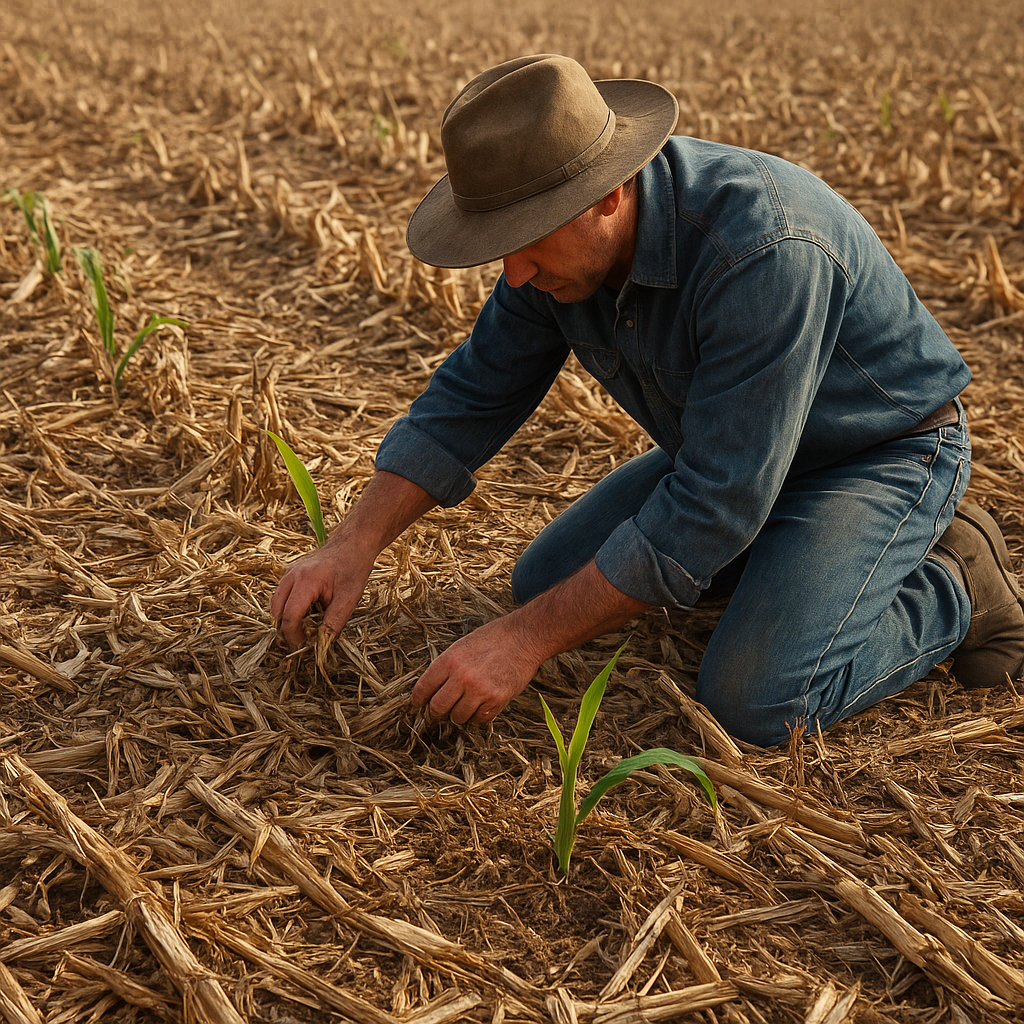
Crop residues often end up as overlooked leftovers despite their immense potential to enhance soil fertility, support sustainable production, and provide alternative revenue streams. By adopting innovative methods for handling stalks, leaves, and husks, farmers can unlock numerous benefits including improved moisture retention, **nutrients** cycling, and cost savings. This article explores practical approaches to make the most of plant residues, enhancing both farm productivity and environmental health.
Maximizing Nutrient Recycling through Residue Management
Understanding Residue Composition
Every type of crop residue possesses a unique balance of carbon and nitrogen, influencing the rate of **decomposition** and mineralization. Cereals such as wheat and rice generate high-carbon stalks that break down slowly, while leguminous plants produce residues richer in nitrogen, promoting faster microbial activity. Recognizing these distinctions allows farmers to tailor residue incorporation strategies that maintain soil fertility without causing temporary nitrogen immobilization.
Optimal Incorporation Techniques
Incorporating residues directly into the soil can foster uniform distribution of organic matter. Consider the following practices:
- Shallow tillage immediately after harvest to mix surface residues with topsoil
- Strip tillage to concentrate **biomass** in crop rows, reducing disturbance and improving moisture retention
- No-till drills equipped with residue openers, allowing seeds to penetrate undisturbed soil enriched with decomposing matter
Balancing Carbon-to-Nitrogen Ratios
A critical aspect of nutrient management is maintaining an ideal carbon-to-nitrogen (C:N) ratio around 25–30:1. When residues exhibit higher ratios, microbial communities may immobilize soil nitrogen, hindering subsequent crop growth. Strategies to counteract this include:
- Mixing high C:N residues with **composting** materials rich in nitrogen, such as legume haulms or green manure
- Applying small amounts of synthetic or organic fertilizers at the time of residue incorporation to offset nitrogen drawdown
- Alternating crop types annually to balance residue composition across seasons
Enhancing Soil Structure and Moisture Retention
Residue Mulching for Moisture Conservation
Applying a layer of crop residues as **mulch** on bare soil provides an effective barrier against evaporation, reducing water stress during dry spells. Mulching offers the following benefits:
- Minimizes surface crusting and erosion by rain impact
- Moderates soil temperature fluctuations, protecting root systems
- Outcompetes weeds, reducing reliance on herbicides
Improving Soil Aggregation
Crop residues contribute to the formation of stable soil aggregates by serving as a substrate for fungal hyphae and glomalin production. Over time, these aggregates:
- Increase **carbon sequestration**, locking away atmospheric CO₂
- Enhance porosity, allowing better air and water movement
- Reduce runoff and improve infiltration rates
Cover Cropping Synergies
Following residue retention, planting **cover cropping** species such as clover, vetch, or ryegrass can further build soil organic matter. Cover crops:
- Extend living roots in the soil, supporting microbial communities
- Scavenge residual nitrogen, preventing leaching losses
- When terminated, add fresh biomass that complements existing residues
Innovative Applications and Value-Added Opportunities
On-Farm Composting Systems
Transforming residues into **composting** feedstock bridges waste reduction and fertilizer production. Key components include:
- Layering high-carbon crop residues with nitrogen-rich materials like animal manures
- Ensuring adequate moisture (40–60%) and aeration through periodic turning
- Aching temperatures of 55–65 °C to eliminate pathogens and weed seeds
Finished compost can be applied to fields, boosting microbial activity, improving nutrient availability, and reducing synthetic fertilizer needs.
Livestock Integration and Feed Opportunities
Many crop residues can serve as supplementary **livestock** feed, especially when processed or treated to increase digestibility. For example:
- Pretreating straw with ammonia or urea to break down lignin bonds
- Chopping residues finely to improve palatability and intake
- Blending with protein-rich byproducts like oilseed meals for balanced rations
Such integration not only reduces feed costs but returns nutrient-rich manures to the soil.
Biomass Conversion for Renewable Energy
Advances in **bioenergy** technologies allow for the conversion of crop residues into heat, electricity, or biofuels. Options include:
- Anaerobic digesters producing biogas, which can power generators or be upgraded to biomethane
- Pelletizing or briquetting residues for biomass boilers in on-farm heating systems
- Cellulosic ethanol production using enzymatic hydrolysis of resistant fibers
By investing in small-scale facilities or collaborating with local cooperatives, growers can diversify income and reduce fossil energy dependence.
Best Practices and Considerations for Implementation
Assessing Residue Availability and Quality
Prior to adopting any strategy, conduct a thorough inventory of residue volumes, moisture content, and nutrient profiles. Laboratory analysis can guide decisions on whether residues are better suited for **mulch**, composting, or energy conversion.
Balancing On-Farm Needs with Environmental Goals
While removing residues might seem advantageous for off-farm uses, ensure a portion remains to maintain soil organic matter and protect against erosion. A balanced approach prioritizes long-term soil health alongside economic gains.
Collaborative Models and Cost Sharing
Implementing advanced residue management systems may require machinery or infrastructure investments. Farmers can explore:
- Forming cooperatives to share equipment such as balers or compost turners
- Accessing government grants or incentives for conservation practices
- Partnering with research institutions for pilot projects and technical support
Long-Term Benefits and Future Prospects
Wise utilization of crop residues transforms what was once considered waste into a cornerstone of sustainable agriculture. Through improved nutrient cycling, enhanced soil structure, and innovative value-added applications, producers can achieve higher productivity, reduced input costs, and a smaller environmental footprint. As technologies continue to evolve, integrating residue-based solutions will become an even more critical component of resilient farming systems worldwide.