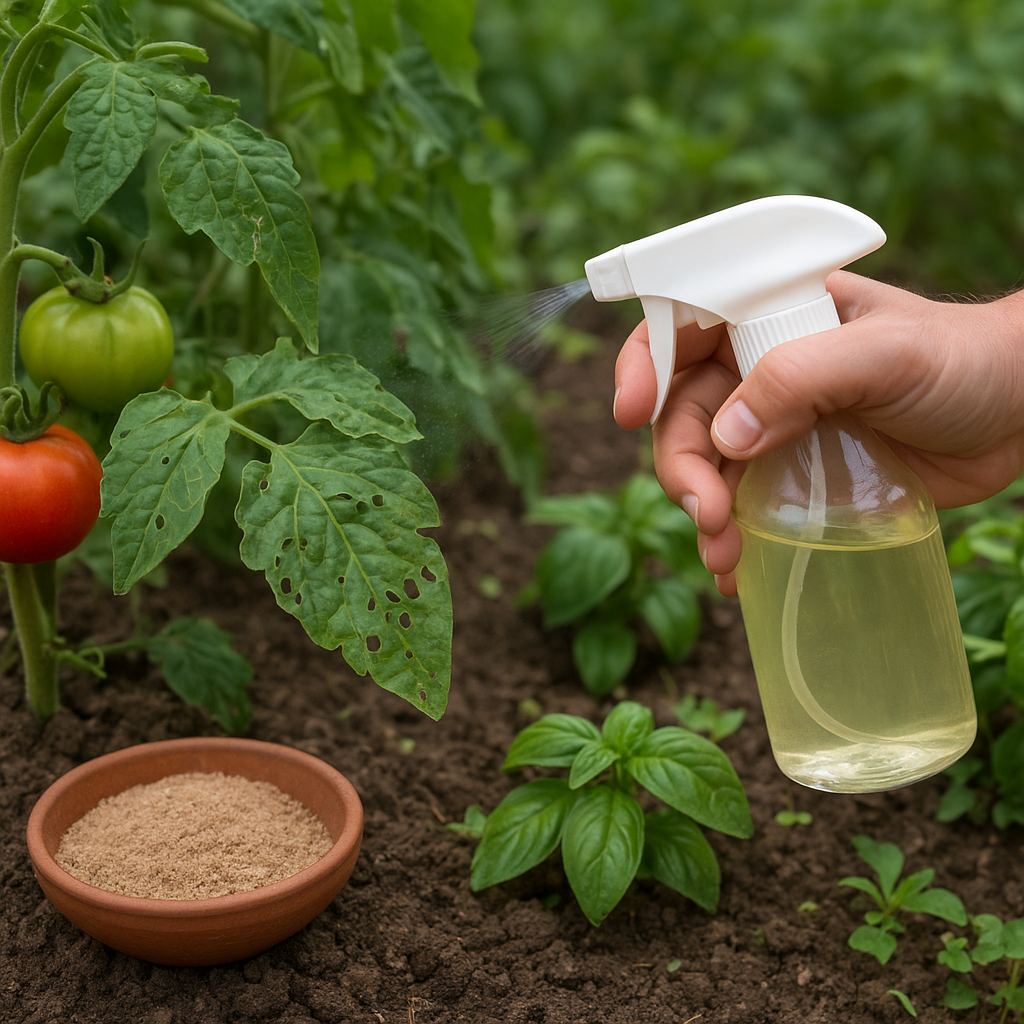
Organic farming offers a path toward healthier crops and a greener planet. By adopting a combination of cultural, biological, physical, and botanical strategies, growers can significantly reduce pest damage without relying on synthetic chemicals. Implementing these techniques supports long-term sustainability and improves soil health while preserving the balance of the surrounding ecosystem. This article explores proven methods to manage pests through eco-friendly approaches, ensuring robust yields and fostering biodiversity in the field.
Understanding Pest Biology for Effective Control
Successful pest management begins with thorough monitoring and a deep knowledge of target insects, mites, and diseases. Identify the life stages, feeding habits, and preferred host plants of each pest to determine the most vulnerable points in their lifecycle. For example, interrupting egg-laying cycles or stage-specific feeding periods can drastically reduce population growth. Record observations regularly using simple field logs or mobile apps, charting population trends and weather conditions to predict outbreaks.
Once you understand pest behavior, select control measures that target the most susceptible stage. Soft-bodied larvae may respond well to diatomaceous earth applications at the soil surface, while adult beetles could be trapped using pheromone lures. By aligning interventions with the pest’s biology, you minimize collateral damage to beneficial insects and non-target organisms.
Effective identification also prevents unnecessary treatments. Confusing beneficial predators such as lacewings or ladybugs with crop pests can result in counterproductive spray applications. Training field staff in basic entomology or partnering with local extension services ensures that each action contributes to an integrated, environmentally friendly approach.
Cultural Practices to Minimize Pest Outbreaks
Cultural controls focus on altering the growing environment to discourage pest establishment. Crop rotation is a cornerstone technique: alternating families of vegetables or cereals interrupts the lifecycle of host‐specific pests in the soil. For instance, planting legumes after brassicas can starve root maggots and prevent carryover populations.
- Sanitation: Remove plant debris and volunteer weeds that may harbor eggs or larvae over winter.
- Timely planting: Adjust seeding dates to avoid peak emergence of notorious pests like cutworms or aphids.
- Row spacing: Increase airflow and light penetration by widening row intervals, reducing humidity-loving fungal pathogens.
Incorporate trap crops—plants more attractive to pests than the main crop—to lure insects away. For example, sowing mustard near broccoli can draw flea beetles toward the mustard, protecting the brassicas. After pests concentrate on the trap crop, dispose of or treat those plants separately, mitigating damage to the primary yield.
Biological Controls: Harnessing Nature’s Allies
Biological control agents are living organisms introduced or conserved to suppress pest populations. Ladybird beetles, predatory mites, parasitic wasps, and entomopathogenic nematodes all serve as natural enemies. Release commercial strains or encourage indigenous predators by planting flowering strips rich in pollen and nectar.
Habitat manipulation techniques, such as providing ground cover and nesting sites, sustain predator populations year-round. Ground beetles thrive under mulch layers, while solitary bees and wasps require bare soil patches for nesting. By designing agricultural landscapes to support these beneficial species, you enhance the farm’s overall resilience to outbreaks.
Biocontrol products—such as Bacillus thuringiensis (Bt) formulations or Beauveria bassiana spores—offer targeted microbial action against caterpillars and whiteflies. Apply these agents during early infestation stages for maximum impact. Always follow label recommendations to avoid disrupting non-target species and to maintain the viability of microbial strains.
Physical Barriers and Manual Techniques
Physical exclusion methods provide a first line of defense by preventing pests from reaching plants. Install floating row covers or fine mesh netting over vulnerable seedlings to block winged insects like cabbage moths or carrot flies. Ensure edges are sealed properly and remove covers during pollination periods to allow beneficial insects access.
- Sticky traps: Place yellow or blue sticky cards at canopy level to intercept flying aphids and thrips, reducing reproduction rates.
- Handpicking: Regularly inspect foliage and remove clusters of eggs, slugs, or caterpillars by hand.
- Soil solarization: Cover moist soil with clear plastic during the hottest months to bake weed seeds and soil-borne pests.
These simple interventions demand minimal investment yet deliver immediate pest pressure relief. Combining manual tactics with other strategies minimizes reliance on even organic sprays, preserving delicate interspecies relationships within the field.
Organic Sprays and Botanical Extracts
When pest levels surpass cultural and physical controls, consider using approved organic sprays. Neem oil, pyrethrins derived from chrysanthemum flowers, and horticultural soaps provide broad-spectrum activity with relatively low environmental impact. Apply during cool parts of the day, avoiding peak sunlight to prevent foliage burn.
Botanical extracts like garlic or hot pepper emulsions can deter chewing insects and rodents. Prepare homemade formulations by steeping fresh ingredients in water with a small amount of mild surfactant. Strain the mixture before application to prevent nozzle clogging. Always test a small patch to check for phytotoxicity on sensitive crops.
Rotate active ingredients between applications to prevent pest resistance. Pair sprays with monitoring protocols to target only heavily infested areas, reducing overall usage. Meticulous spray records help you evaluate effectiveness and adjust concentrations or timing in future seasons.
Enhancing Ecosystem Health Through Diversity
Monocultures create ideal conditions for rapid pest multiplication. Planting cover crops such as clover, buckwheat, or vetch during off-seasons supports soil structure, suppresses weeds, and provides habitat for predators. Diverse polyculture systems—intercropping different vegetable families—disrupt pest host-finding cues, making it harder for insects to locate their favored plants.
Incorporate perennial borders, hedgerows, and wildflower strips along field edges to boost on-farm biodiversity. These living habitats harbor predatory birds, predatory insects, and pollinators that offer continuous pest suppression services. Hedge species like hawthorn or elderberry produce berries and flowers, attracting wildlife and contributing to landscape-level pest management.
By fostering a mosaic of plant communities, you increase the overall resilience of the agricultural system. Soils enriched through diverse root exudates support vigorous plant growth, making crops less vulnerable to insect attack. Over time, this holistic approach creates a self-regulating environment where exotic pests struggle to establish long-term populations.