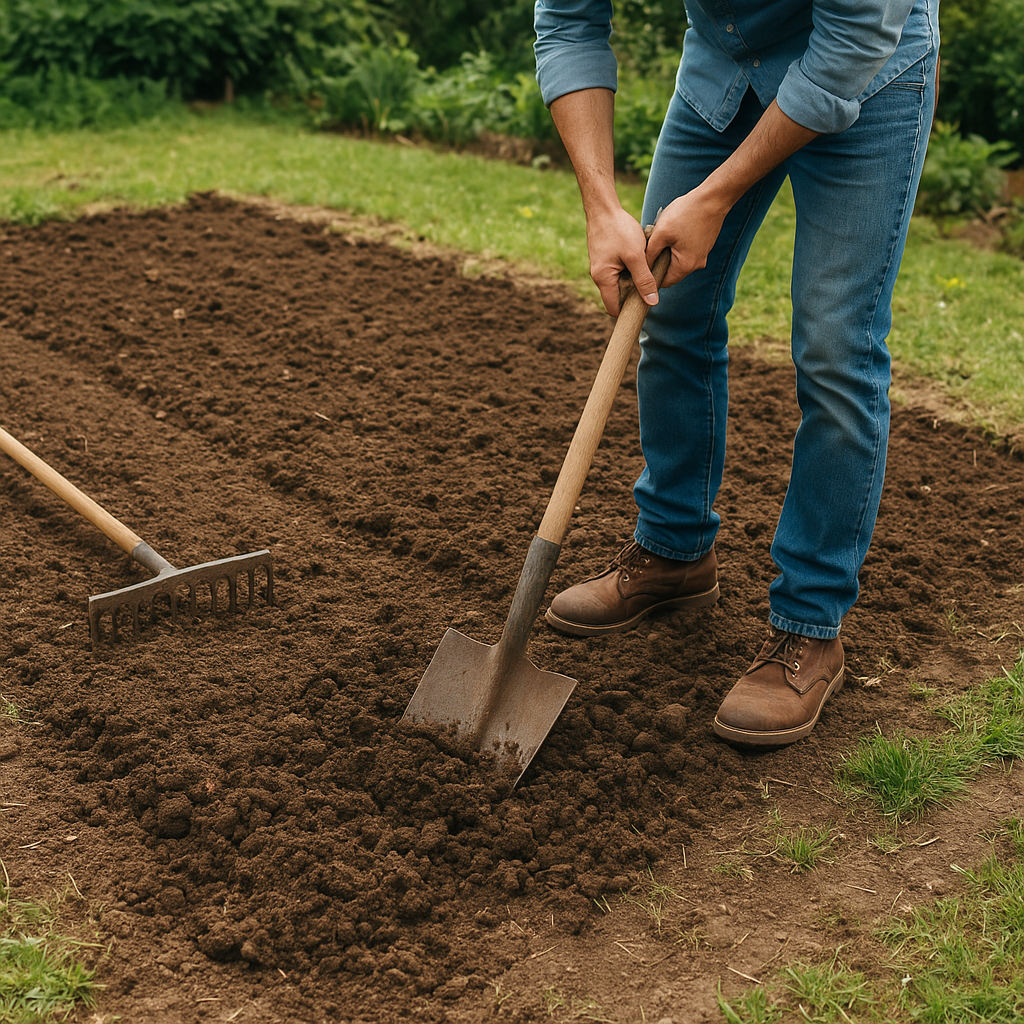
Preparing land for the upcoming planting season is a cornerstone of successful agriculture. By conducting a thorough evaluation of soil conditions, enhancing fertility, and establishing efficient water management, farmers can set the stage for healthy crop development and higher yields. This guide explores essential strategies—from soil testing to cover cropping—to ensure your fields are primed and ready.
Soil Assessment and Preparation
Soil Testing and Analysis
Before any mechanical work begins, it’s vital to understand the existing soil profile. Conducting a comprehensive soil test will reveal nutrient levels, texture, and potential compaction issues. Labs can measure key parameters such as nitrogen, phosphorus and potassium concentrations, along with micronutrients like zinc or manganese. Armed with this information, you can tailor amendments and avoid wasted resources on unnecessary treatments.
Removing Weeds and Debris
Clearing the field of residual vegetation and old crop debris minimizes competition for newly planted seedlings. Mechanical weeders, rotary hoes, or even flame weeders can be employed to eradicate stubborn weeds. However, care must be taken to preserve beneficial soil organisms. A clean seedbed not only reduces harboring sites for pests but also improves seed-to-soil contact, enhancing germination rates.
Tillage Methods and Timing
Tillage practices break up compacted layers and create a uniform seedbed. Options range from conventional plowing to reduced-till or no-till systems. While deep inversion plowing can eliminate old root masses, it may also disrupt soil structure and microbial networks. Conversely, minimum tillage preserves organic layers but may require more chemical weed control. Conducting tillage at the optimal moisture level prevents clod formation and protects soil aggregates.
Nutrient Management and Soil Amendments
Incorporating Organic Matter
Adding organic amendments such as compost, green manure, or well-rotted manure enriches the soil with vital nutrients and enhances moisture retention. Spread a 2–3 inch layer of compost over the field, then incorporate it into the top 6–8 inches of soil. Organic matter also feeds earthworms and beneficial microbes, promoting natural nutrient cycling and improved soil structure.
Choosing the Right Fertilizers
Based on soil test results, select appropriate fertilizers to correct nutrient deficiencies. Granular, slow-release products can supply sustained levels of nitrogen, phosphorus, and potassium. Foliar applications or liquid fertilizers offer rapid uptake but should be used judiciously to prevent burn. Incorporate fertilizers at planting to ensure young roots have immediate access to essential nutrients.
Adjusting Soil pH
Soil pH influences nutrient availability and microbial activity. Most crops thrive in a pH range of 6.0 to 7.0. If tests indicate acidity below 6.0, apply agricultural lime to raise the pH gradually. For alkaline soils above 7.5, elemental sulfur or gypsum can help lower pH over time. Always follow recommended application rates and retest the field annually to maintain balance.
Water Management and Irrigation Planning
Designing Efficient Irrigation Systems
An efficient irrigation system ensures uniform water distribution while conserving resources. Drip irrigation delivers water directly to the root zone, reducing evaporation losses and limiting weed growth. Sprinkler systems offer broader coverage but may require higher energy inputs. Plan your layout with main lines, valves, and emitters positioned to minimize pressure variations and ensure consistent delivery.
Water Conservation Techniques
- Mulching: Apply organic or plastic mulch to reduce surface evaporation and suppress weeds.
- Scheduling: Use soil moisture sensors or tensiometers to irrigate only when necessary, avoiding overwatering.
- Rainwater Harvesting: Capture runoff in ponds or tanks to supplement irrigation during dry spells.
Employing these methods helps maintain optimal moisture levels without depleting water tables or increasing operating costs.
Addressing Drainage Issues
Excess water can be as detrimental as drought, leading to root rot and nutrient leaching. Install surface ditches or subsurface tile drains to channel away surplus water. Raised beds also improve drainage for sensitive crops. When planning drainage networks, consider field slope, soil texture, and local precipitation patterns to prevent waterlogging and maintain a balanced moisture regime.
Crop Rotation and Cover Crops
Advantages of Crop Rotation
Implementing a systematic crop rotation breaks pest and disease cycles, improves fertility, and reduces reliance on chemical inputs. Rotating between legumes, cereals, and broadleaf crops leverages each plant’s unique nutrient demands and residue contributions. For example, following a nitrogen-fixing legume with a heavy feeder like corn can reduce fertilizer needs and enhance soil health.
Implementing Cover Crops
Cover crops such as clover, rye, or vetch provide protective ground cover during fallow periods. They prevent erosion, suppress weeds, and increase organic matter when incorporated before spring planting. Deep-rooted species like radish can alleviate subsoil compaction, while legumes enrich the soil with biologically fixed nitrogen. Select cover crops based on your rotation plan and local climate conditions.
Creating a Rotation Plan
Design a multi-year rotation schedule that balances crop families, residue management, and market demands. Use a colored chart or digital tool to track plantings, pest outbreaks, and yield outcomes. Regularly review and adjust the plan to respond to observed soil performance and evolving agronomic challenges. A well-structured rotation enhances long-term productivity and sustainability.
Machinery, Tools, and Safety Measures
Selecting Appropriate Equipment
Choose tractors, plows, seed drills, and spreaders matched to field size and soil type. Modern GPS-guided implements improve precision and reduce overlap, conserving fuel and inputs. Regular maintenance of engines, hydraulic systems, and tires ensures reliable operation throughout the season.
Implementing Safety Protocols
- Personal Protective Equipment: Wear gloves, eye protection, and hearing defenders when operating machinery.
- Routine Inspections: Check for leaks, loose bolts, and worn parts before each use.
- Emergency Plans: Keep fire extinguishers and first-aid kits accessible and train staff in basic response procedures.
Adhering to safety guidelines protects both personnel and investment in expensive agricultural assets.