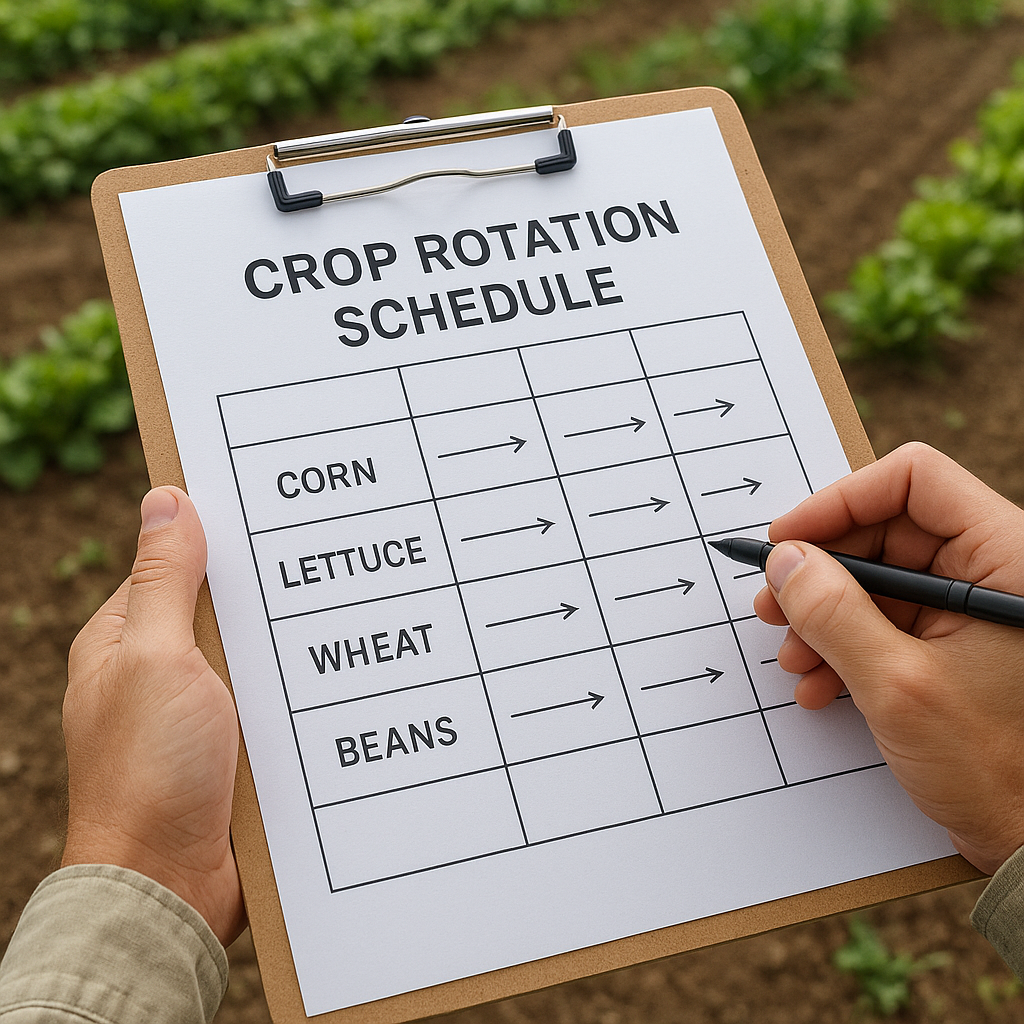
Planning a successful crop rotation schedule is a vital strategy for farmers and gardeners seeking to maximize soil health, maintain balanced nutrients, and reduce reliance on chemical inputs. By thoughtfully alternating plant families across growing seasons, you can manage pests, enhance diversity, and ultimately boost overall yield. This guide provides practical steps, from understanding core principles to detailed implementation, to help you develop a customized rotation plan.
Understanding Crop Rotation Principles
What is Crop Rotation?
Crop rotation is the systematic sequencing of different crops on the same land over time. Rather than planting one species repeatedly, you alternate plant types—such as legumes, cereals, and root vegetables—to interrupt disease cycles, replenish soil nutrients, and suppress weeds. Effective rotation leverages each crop’s unique characteristics to foster ecological balance.
Benefits of Crop Rotation
- Improved soil health through natural nutrient cycling.
- Reduced pressure from soil-borne diseases and pests.
- Enhanced organic matter and soil structure.
- Optimized fertilizer use and lower input costs.
- Greater biodiversity, leading to more resilient cropping systems.
Types of Crop Rotations
Rotation schemes can range from simple two-year sequences to complex multi-year systems. Examples include:
- Two-course rotation: alternating cereal crops with legumes.
- Three-course rotation: cereal, root vegetables, and legume or cover crop.
- Four-course rotation: cereal, root crops, legume, and leafy vegetables or cover crops.
Select the type that aligns with your climate, field size, and market demands.
Steps to Create Your Crop Rotation Schedule
Assessing Soil and Field Conditions
Before designing a rotation, evaluate each field’s characteristics. Conduct soil tests to measure pH, organic matter, and key nutrient levels. Map areas prone to erosion, waterlogging, or low fertility. Use this data to assign suitable crops and incorporate amendments such as lime or fertilizer where necessary.
Grouping Crops by Families
Crops from the same botanical family often share pests and disease vulnerabilities. To minimize pathogen buildup, group common families and avoid planting them back-to-back. Key families include:
- Poaceae (grains like wheat, barley, corn)
- Fabaceae (beans, peas, legumes)
- Solanaceae (tomatoes, potatoes, peppers)
- Brassicaceae (cabbage, broccoli, radish)
- Apiaceae (carrots, celery, parsley)
Plan rotations that move each family to a separate location each season.
Designing the Rotation Sequence
Consider the following framework when mapping out your sequence:
- Year 1: Nitrogen-fixing legumes (e.g., peas, beans) to build soil fertility.
- Year 2: Heavy feeders like grains (wheat, barley) that utilize stored nitrogen efficiently.
- Year 3: Root crops (carrots, beets) to break up compacted soil layers with their taproots.
- Year 4: Cover crops or green manures (clovers, vetch) to protect bare soil and add organic matter.
This basic four-year plan can be adapted by introducing vegetables, specialty crops, or extended fallow periods as needed.
Implementation and Management
Record Keeping and Field Mapping
Accurate records are essential to track past plantings and avoid accidental repeats. Maintain a field journal or digital spreadsheet noting:
- Crop type and variety
- Planting and harvest dates
- Soil test results and any amendments applied
- Observations on pests and disease outbreaks
Create a visual field map with numbered plots or GPS coordinates to simplify yearly planning. Use clear mapping tools to overlay rotation schedules and monitor progress.
Cover Crops and Green Manure
Integrating cover crops is a key tactic for maintaining soil integrity between main cash crops. Benefits include weed suppression, erosion control, and improved moisture retention. Popular choices are:
- Legumes (clover, vetch) for nitrogen fixation.
- Grasses (rye, oats) for biomass and deep root structure.
- Brassicas (mustard, radish) for biofumigation effects against soil pathogens.
Terminate cover crops at the optimal stage to maximize biomass incorporation and minimize competition with subsequent crops.
Monitoring and Adjusting Your Plan
Regular monitoring allows you to make data-driven adjustments. Inspect fields for soil moisture levels, nutrient deficiencies, and signs of disease. Post-harvest, evaluate yield outcomes to gauge rotation effectiveness. Based on your observations:
- Adjust crop order or introduce new species to address persistent issues.
- Increase organic amendments if soil tests reveal declining fertility.
- Modify planting dates or densities to optimize resource use.
Over time, this adaptive approach will refine your rotation, leading to healthier soils and improved economic returns.