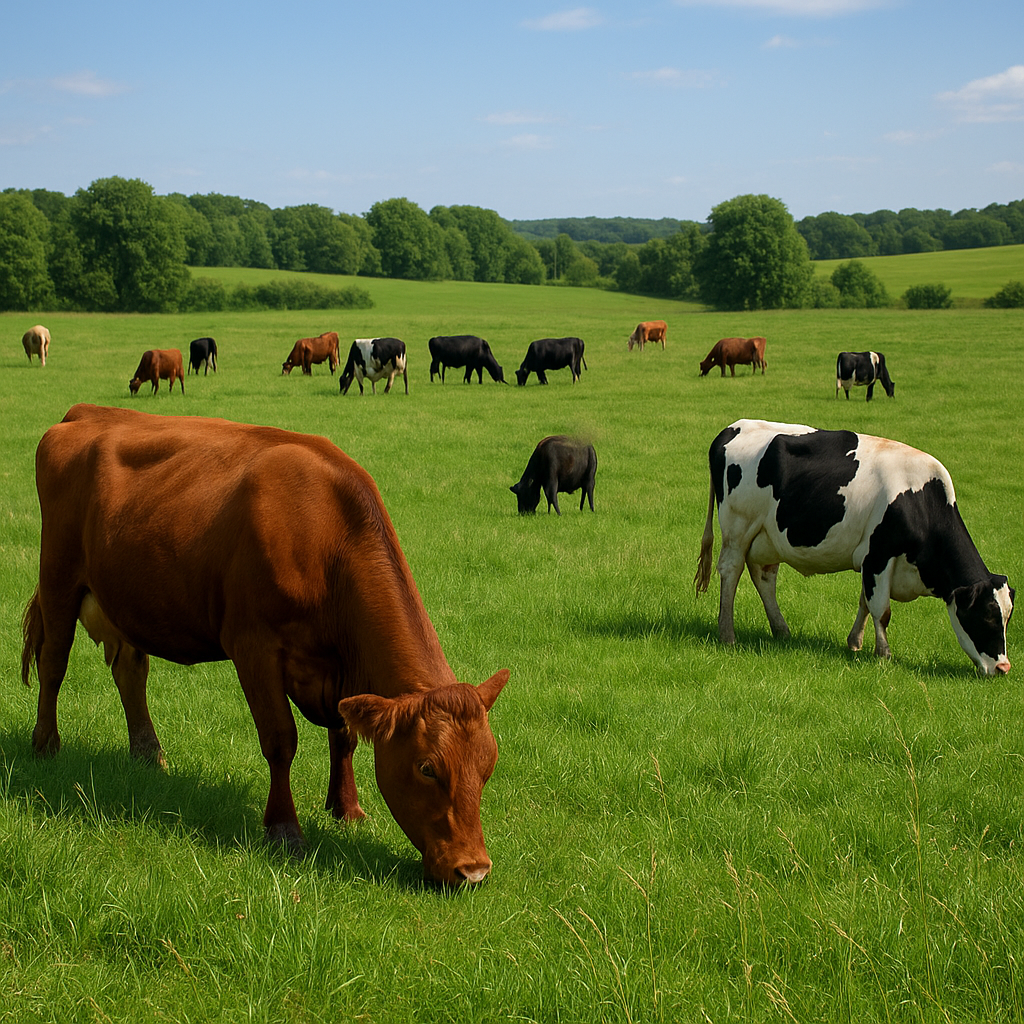
Maintaining a thriving pasture throughout the year requires careful planning, consistent monitoring, and a deep understanding of how plants, animals, and environmental factors interact. By adopting proven strategies and staying proactive, farmers and ranchers can ensure their fields remain productive, resilient, and sustainable no matter the season.
Understanding Soil Health and Fertility
Healthy pastures begin with soil fertility. A robust soil profile supports strong root systems, optimal water retention, and effective nutrient uptake. Key steps include:
- Testing Soil Regularly: Conduct soil tests at least once every two years to monitor pH levels, organic matter, and macro- and micronutrient availability.
- Adjusting pH: Most forage species thrive in a slightly acidic to neutral range (pH 6.0–7.0). Liming acidic soils and using sulfur amendments on overly alkaline soils help achieve balance.
- Implementing Nutrient Cycling: Rotate legumes with grasses to harness the nitrogen-fixing power of legumes. This nutrient cycling reduces reliance on synthetic fertilizers while boosting overall productivity.
- Adding Organic Matter: Incorporate well-composted manure or green manure cover crops to elevate organic carbon, improve structure, and enhance microbial activity.
Ensuring proper soil structure also prevents issues like soil compaction, which can restrict root growth and limit water infiltration. Avoid working fields when excessively wet, and consider using lighter equipment or controlled-traffic patterns.
Implementing Rotational Grazing Systems
Rotational grazing is a cornerstone in maintaining pasture vigor and maximizing forage production. This approach involves subdividing pastures and moving livestock systematically to allow adequate recovery.
- Designing Paddocks: Divide large fields into smaller paddocks using temporary or permanent fencing. Aim for at least 4–6 cells to optimize rotation cycles.
- Calculating Stocking Density: Determine the number of animals per acre based on forage yield, animal weight, and recovery time. Overstocking leads to overgrazing and soil erosion, while understocking underutilizes resources.
- Monitoring Pasture Rest: Give each paddock sufficient rest—often 21–28 days—before reintroducing animals. Adequate pasture rest ensures plants rebuild root reserves and produce quality biomass.
- Using Strategic Watering Points: Place water sources centrally or moveable drinkers to encourage even grazing and reduce trampling near waterholes.
By managing movement patterns and recovery intervals, rotational grazing enhances biodiversity, reduces parasite burdens, and builds drought resilience by promoting deeper-rooted grass species.
Selecting and Maintaining Forage Species
Diverse pastures stand up better to stressors like drought, flooding, and pests. Consider these guidelines for selecting and sustaining forage species:
- Mix Warm- and Cool-Season Grasses: Incorporate species such as ryegrass, fescue, and orchardgrass for spring/fall performance alongside warm-season options like bermudagrass and bahiagrass for summer productivity.
- Add Legumes for Protein Boost: Alfalfa, clover, or vetch enhance palatability and nitrogen supply. Periodically reseed thin patches to maintain stand density.
- Reseeding Practices: Perform interseeding or frost-seeding during dormancy periods. Use a no-till drill to minimize soil disturbance and establish seedlings quickly.
- Managing Weeds Proactively: Identify broadleaf and grass weeds early. Employ targeted mowing, mechanical removal, or selective herbicides when necessary, balancing control with environmental safety.
Water Management and Supplemental Feeding
Water access and supplemental nutrition are critical, especially during extreme weather. Effective strategies include:
- Ensuring Clean Water Supply: Regularly inspect troughs for contaminants and repair leaks. If natural water sources fluctuate, install troughs or rotational watering systems.
- Implementing Proper Irrigation: In arid regions, consider drip or sprinkler systems to maintain soil moisture. Monitor evapotranspiration rates to schedule irrigation efficiently.
- Providing Mineral Blocks: Place salt and mineral licks strategically to encourage even grazing patterns and address any micronutrient deficiencies.
- Feeding During Dormancy: During winter or extended dry spells, supply hay or silage to prevent overgrazing and maintain animal condition. Match forage quality to livestock requirements for optimal health.
Seasonal Strategies for Year-Round Productivity
Pasture management must adapt to seasonal variations—each phase poses unique challenges and opportunities.
Spring
- Emerging Growth Monitoring: Begin rotational grazing when grasses reach 6–8 inches tall to stimulate tillering without depleting reserves.
- Address Drainage Issues: Repair waterlogged areas and install tile drainage to prevent soil compaction.
- Fertilization Timing: Apply nutrients early based on soil test recommendations to fuel rapid green-up.
Summer
- Maintain Rest Periods: Heat stress can slow regrowth—lengthen rest intervals to allow recovery.
- Adjust Stocking Rates: Reduce grazing intensity during drought to conserve forage. Consider alternative foraging areas or postpone breeding cycles if pasture becomes scarce.
- Pest and Disease Surveillance: Warm, humid conditions encourage pests. Scout regularly and deploy biological or chemical controls judiciously.
Autumn
- Frost-Seeding Opportunities: Sow cool-season grasses or legumes as temperatures drop, utilizing natural freeze-thaw action for seedbed preparation.
- Soil Compaction Mitigation: Perform aeration before soils freeze to enhance winter drainage.
- Nutrition Assessment: Evaluate forage quality and plan supplementation to maintain herd condition through winter.
Winter
- Protect Perennial Stands: Avoid grazing frozen or muddy fields, which can damage crowns and lead to soil compaction.
- Monitor Forage Supplies: Calculate feed inventory and contract additional hay if needed to prevent shortages.
- Plan Early Spring Interventions: Identify any stand gaps requiring reseeding or lime application once conditions permit.
Pest and Weed Management for Sustainable Yields
Uncontrolled weeds and pests can quickly undermine pasture health. Integrating multiple tactics creates a resilient defense:
- Biological Controls: Introduce beneficial insects or grazing species (e.g., goats) that consume specific weeds.
- Cultural Practices: Mow fence lines and field margins before weed seed set. Maintain equipment to prevent seed dispersal between paddocks.
- Targeted Herbicide Use: Apply spot treatments in early growth stages to minimize chemical volume and environmental impact.
- Regular Scouting: Walk fields weekly to catch problems early. Document pest pressure and weed hotspots for strategic planning.
Leveraging Technology and Record-Keeping
Modern tools can enhance decision-making and track progress effectively:
- Pasture Monitoring Apps: Use mobile platforms to log grazing dates, forage heights, and animal movements, optimizing rotation schedules.
- Soil Moisture Sensors: Install probes to gauge moisture levels in real time, guiding irrigation and grazing decisions.
- Drones and Remote Sensing: Capture aerial imagery to detect bare spots, erosion, or pest outbreaks promptly.
- Detailed Record-Keeping: Maintain logs of fertilizer applications, reseeding events, and harvest yields. Reviewing historical data helps refine future management plans.
Building Resilience Through Long-Term Planning
A comprehensive approach combines immediate actions with future-focused goals:
- Develop a Multi-Year Rotation Plan: Map out which paddocks will host legumes, grasses, or cover crops over a 3–5 year horizon to sustain soil health.
- Invest in Infrastructure: Permanent fencing, water lines, and handling facilities streamline management and reduce labor.
- Engage in Continuous Learning: Attend workshops, join producer networks, and collaborate with extension agents to stay current on best practices.
By emphasizing soil health, smart grazing, diversified forages, and adaptive strategies, pasture managers can cultivate landscapes that remain productive and sustainable throughout every season. Consistent attention to the interplay between plants, animals, and the environment transforms pastures into resilient ecosystems capable of thriving under changing conditions.