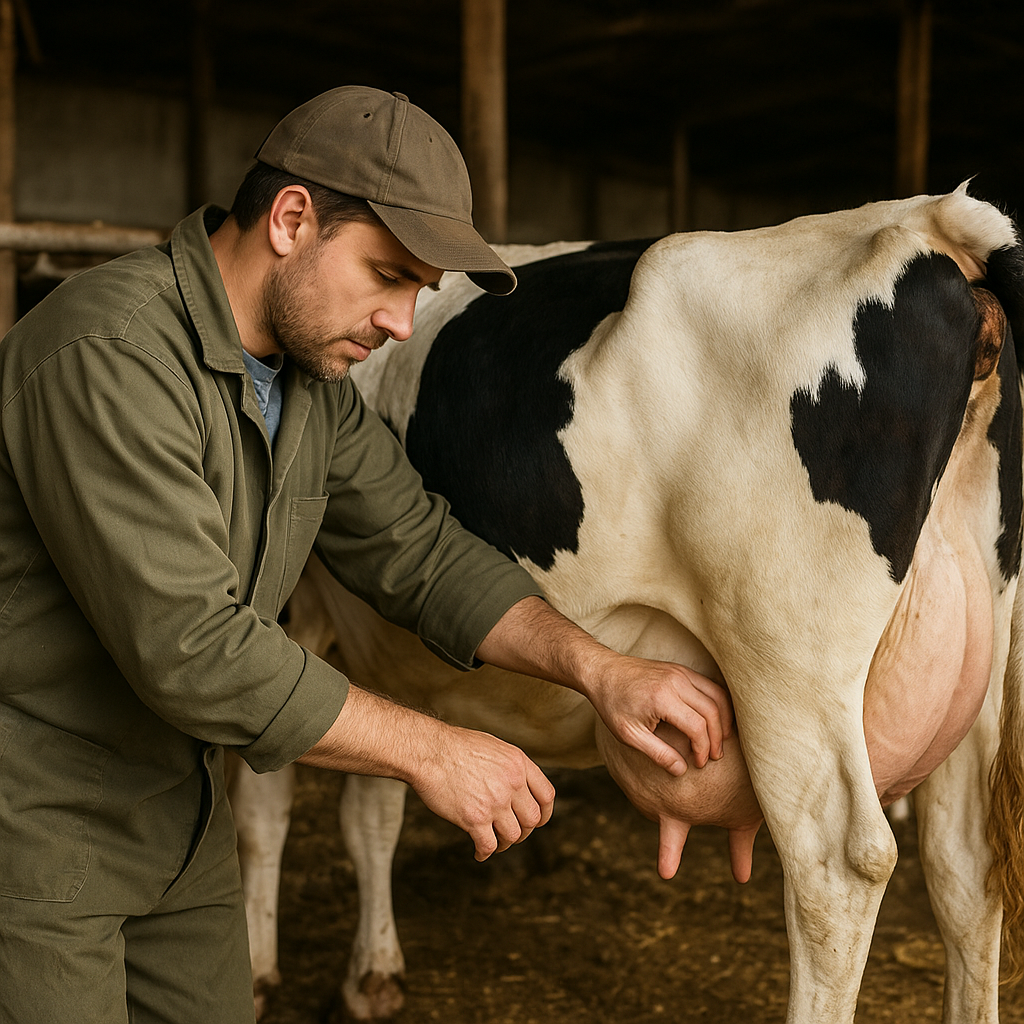
Achieving a consistently high level of milk production requires a multifaceted approach that addresses the nutrition, health, and environment of dairy cows. By understanding the biological needs of each animal and applying proven management techniques, farmers can optimize milk yield while ensuring the welfare of their herd. This article explores key strategies and practical tips to help you enhance dairy performance on your farm.
Understanding Cow Physiology
Cows have evolved to convert forage and concentrates into milk through a complex digestive process. The rumen, the largest of the four stomach compartments, hosts millions of microorganisms that ferment fiber and produce volatile fatty acids. These acids are absorbed and used as energy precursors for lactation. To maximize this natural efficiency, producers must respect the cow’s metabolic demands at different stages of lactation.
Genetic Potential
Breeding programs focus on selecting animals with a genetic predisposition for higher milk production, better fertility, and robust health. By evaluating sire proofs and using artificial insemination, farmers can gradually improve the herd’s genetic merit. Remember, an optimal genetic base amplifies the effects of other management practices.
Lactation Curve
The lactation curve describes how milk yield rises after calving, peaks around 6–8 weeks, and then gradually declines. Feeding and housing adjustments during the peak period can sustain production levels. Monitoring milk records allows you to identify cows deviating from expected patterns and implement corrective measures.
Optimizing Nutrition and Feeding Strategies
A balanced ration is the cornerstone of management. Each cow needs a diet tailored to her stage of lactation, body condition, and milk output. Underfeeding leads to poor yields and body reserves depletion, while overfeeding can cause metabolic disorders.
- Forage Quality: High-quality silage and hay provide the fiber needed for rumen function. Maintain dry matter levels above 30% and ensure proper fermentation.
- Energy Density: Include grains or byproducts like corn gluten to meet energy requirements. Avoid sudden changes that could trigger acidosis.
- Protein Sources: Use soybean meal or canola meal to supply degradable and undegradable protein fractions. Synchronizing protein and energy release in the rumen improves microbial protein synthesis.
- Minerals and Vitamins: Provide a mineral mix rich in calcium, phosphorus, magnesium, and trace elements such as zinc and selenium. Vitamins A, D, and E support immunity and reproductive health.
- Supplements: Yeast cultures, buffers, and anionic salts can help stabilize rumen pH and reduce the risk of metabolic disorders like ketosis and milk fever.
Deliver feed at least three times a day to encourage consistent intake. Keep feed bunks clean and ensure cows have at least 4–6 inches of bunk space each. Adjust rations based on weekly milk tests and body condition scoring.
Ensuring Proper Hydration and Comfort
Water is the most critical nutrient for milk production, making up over 85% of milk volume. Inadequate water intake immediately reduces yield and can lead to heat stress. Cows need access to fresh, clean water 24/7, with drinkers placed within 50 feet of their resting areas.
Comfort also plays a vital role. Cows spend up to 12 hours lying down, which supports rumen function and blood flow to the udder. Provide free-stall bedding or sand packs to reduce the risk of hock injuries and mastitis. Proper stall dimensions—about 48 inches wide and 8 feet long—encourage lying behavior and improve overall welfare.
Health Management and Reproduction
Preventive health practices go hand-in-hand with high production. A well-designed herd health program reduces disease incidence, lowers veterinary costs, and limits antibiotic residues in milk.
Mastitis Control
Mastitis remains one of the most costly diseases in dairy herds. Implement a post-milking teat-dipping routine, maintain clean bedding, and use automated somatic cell count monitoring to detect early infections. Remove chronic cases promptly to protect the herd’s overall health.
Calving Interval and Fertility
An ideal calving interval of 12–13 months ensures that cows do not lose productivity over extended dry periods. Monitor postpartum health, and use protocols for timed artificial insemination if natural breeding rates lag. Nutritional support around breeding—particularly adequate energy and trace minerals—enhances conception rates.
Vaccination and Parasite Control
Work with a veterinarian to develop a vaccination schedule against common pathogens like bovine viral diarrhea (BVD) and infectious bovine rhinotracheitis (IBR). Implement deworming protocols and test for fluke, lice, and other parasites. Healthy cows devote more resources to milk production than to fighting infections.
Environmental and Housing Considerations
The cow’s surroundings influence stress levels, feeding behavior, and disease exposure. Proper ventilation reduces airborne pathogens and heat load. Aim for at least 25 air changes per hour in freestall barns. In hot climates, install fans and sprinklers in loafing areas to facilitate heat dissipation.
Pasture-based systems benefit from rotational grazing, which ensures access to fresh forage and prevents parasite build-up. Provide shade and clean water points in grazing paddocks. Regularly repair fencing and water troughs to minimize injuries and ensure uninterrupted access to resources.
Finally, invest in labor training. Skilled staff who understand cow behavior and recognize early signs of disease play a pivotal role in sustaining high levels of production. Consistent record-keeping and data analysis enable you to pinpoint weak spots and continuously refine your management approach.