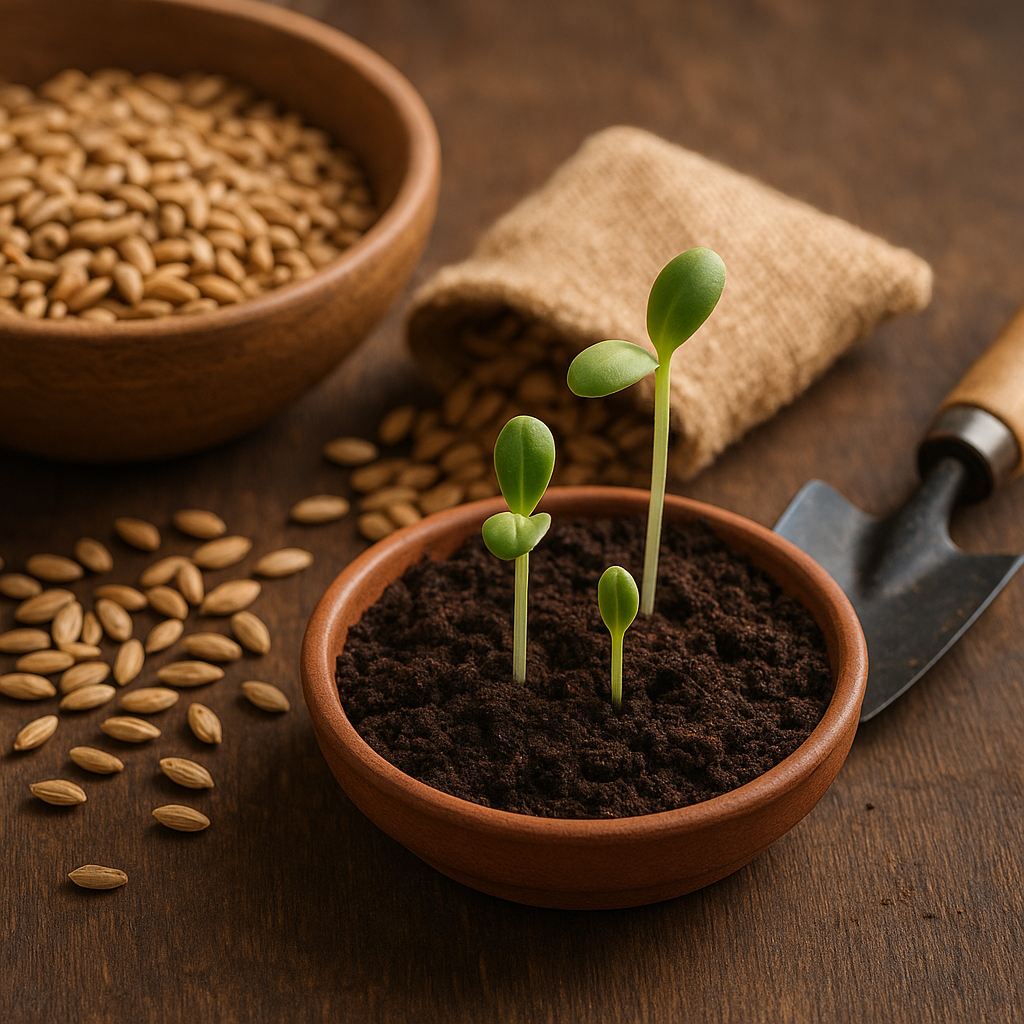
Achieving high seed germination rates is a cornerstone of any successful crop production or home gardening venture. By focusing on precise techniques and maintaining optimal environmental factors, growers can ensure a stronger start for their seedlings and maximize yields. This guide explores proven methods that enhance the **viability**, vigor, and uniformity of emerging plants.
Selecting High-Quality Seeds
One of the most critical steps in improving germination rates begins before planting even takes place. Quality seed selection lays the foundation for healthy seedlings and robust plant development.
Source Certification
- Purchase seeds from reputable suppliers who provide germination **testing** results and lot numbers.
- Verify that seeds meet local agricultural standards and are free of pests and diseases.
Seed Viability Assessment
- Perform a simple paper towel test: moisten a few seeds, place between absorbent paper, and store in a warm location. Check daily for sprouting.
- Calculate the percentage that sprout within a week; aim for at least 80% viability for best results.
Seed Treatments
- Scarification: Gently nick or abrade hard seed coats to promote water absorption, particularly for legumes and some flower species.
- Stratification: Simulate winter conditions by chilling moist seeds for a specific period to break dormancy. Ideal for many fruit trees and perennials.
- Use commercial seed priming solutions enriched with micronutrients to boost early growth.
Optimizing Growing Conditions
Even the best seeds cannot germinate successfully without carefully controlled environmental factors. Pay attention to moisture, temperature, and substrate quality to create an ideal germination environment.
Soil and Media Preparation
- Choose a sterile, well-draining seed-starting mix to prevent damping-off diseases.
- Add perlite or vermiculite to improve aeration and drainage, reducing the risk of waterlogging.
- Incorporate a small amount of balanced slow-release nutrients to support developing radicles.
Moisture Management
- Maintain consistent moisture by misting or using a humidity dome; avoid overwatering which can lead to rot.
- Use bottom watering trays to encourage roots to grow downward and develop stronger root systems.
Temperature Control
- Utilize seedling heat mats to keep soil temperatures within the optimal range (usually 20–25°C or 68–77°F).
- Monitor fluctuations with reliable thermometers; sudden dips can slow germination or damage emerging seedlings.
Advanced Techniques for Enhancing Germination
Beyond basic care, several advanced methods can further boost germination rates and ensure more uniform stands.
Hydropriming and Osmopriming
- Hydropriming: Soak seeds in water for a predetermined period then dry back to original moisture content. This jump-starts the germination process without full sprouting.
- Osmopriming: Soak seeds in an osmotic solution (e.g., polyethylene glycol) to enhance seed treatment uptake of water and nutrients, improving stress tolerance.
Use of Growth Promoters
- Apply natural biostimulants such as seaweed extracts or humic substances to promote faster radicle emergence.
- Consider low-concentration gibberellic acid (GA3) treatments for species with known dormancy issues.
Light and Airflow Optimization
- While some seeds require darkness to germinate, many benefit from a daily light cycle to prevent stretch and encourage sturdy seedlings.
- Install gentle fans to improve air exchange, strengthen stems, and reduce fungal pressure.
Monitoring and Troubleshooting
Regular observation and quick adjustment are key to maintaining high germination success. Track progress, record conditions, and identify issues early.
Daily Checks
- Inspect seed trays for uniform moisture, temperature deviations, and signs of mold.
- Gently lift humidity domes or covers to allow fresh air and prevent condensation buildup.
Common Problems and Solutions
- Damping-off: Improve drainage, reduce humidity, and sterilize tools and trays.
- Uneven Germination: Ensure consistent moisture and temperature; verify seed age and viability.
- Poor Root Development: Enhance soil health by incorporating beneficial microbes or mycorrhizal inoculants.
Extending Success Beyond Germination
After seeds sprout, continued care is essential to translate high germination rates into vigorous plant growth. Focus on gradual acclimatization and nutritional support.
Hardening Off
- Acclimate seedlings to outdoor conditions by gradually increasing exposure to sun, wind, and fluctuating temperatures over 7–10 days.
- Avoid transplanting during peak heat or cold spells to reduce shock.
Transplanting Best Practices
- Transplant when seedlings have at least two true leaves and a well-developed root ball.
- Handle seedlings by leaves, not stems, to prevent damage and disease entry points.
By combining rigorous seed selection, precise control of environmental factors, and advanced priming techniques, growers can achieve consistent and high **uniformity** in germination rates. These strategies form a solid foundation for strong plant stands and bountiful harvests.