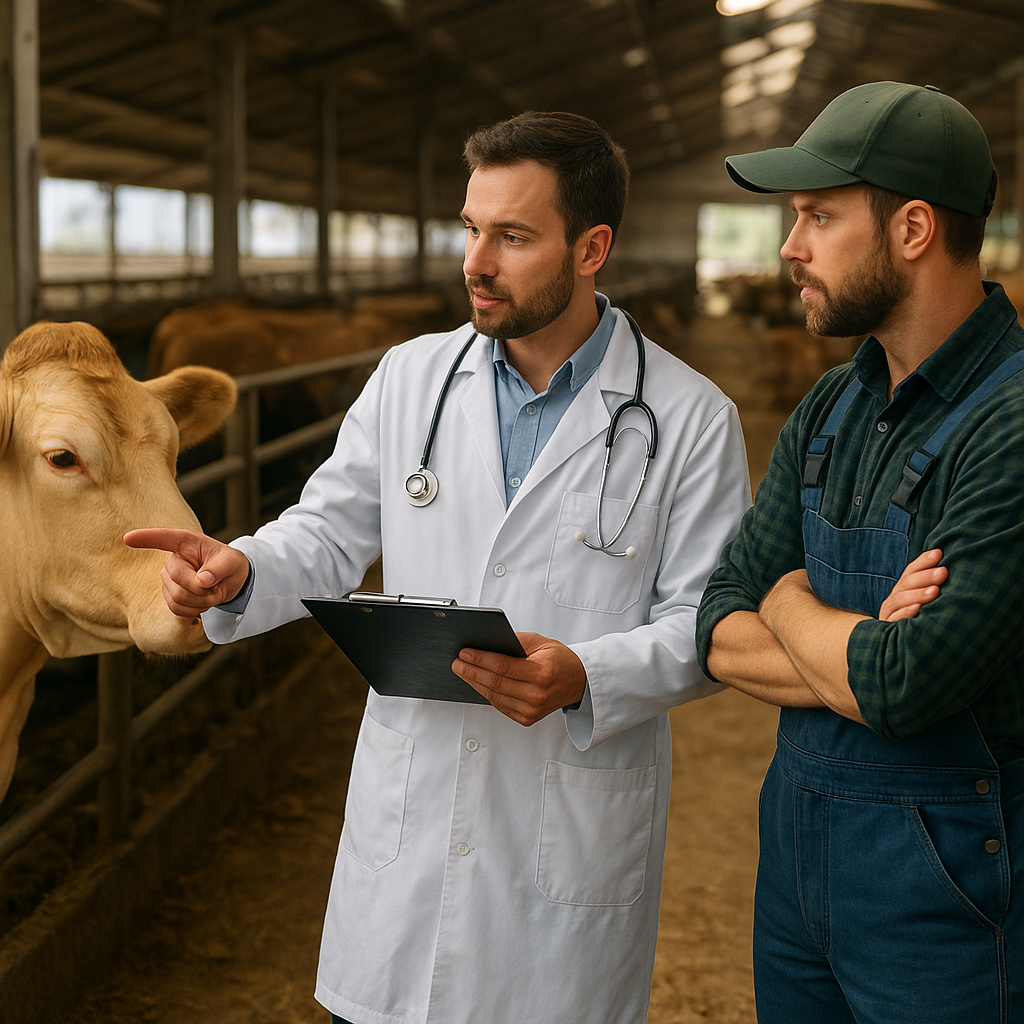
Improving animal breeding strategies is essential for modern livestock producers aiming to boost productivity, reduce costs, and promote long-term sustainability. By combining traditional knowledge with cutting-edge tools, farmers can enhance the quality and output of their herds and flocks. This article explores practical tips across several key areas—genetic selection, nutrition and health, housing and environment, and data-driven technology integration—to help you achieve higher breeding efficiency.
Genetic Selection Strategies
Implementing an effective genetic program begins with clearly defined goals. Whether the priority is milk yield, growth rate, disease resistance, or meat quality, a targeted approach ensures resources focus on animals with the greatest potential. Use these methods to refine your breeding stock:
- Pedigree Analysis: Trace ancestry records to identify superior bloodlines with documented records of performance.
- Genomic Testing: Employ DNA-based markers to predict traits such as feed conversion ratio, fertility, and disease tolerance before animals reach maturity.
- Selective Mating Systems: Plan pairings using Expected Progeny Differences (EPDs) or similar metrics to enhance specific characteristics.
- Crossbreeding Programs: Combine complementary breeds to exploit hybrid vigor, improving growth rates and overall robustness.
Implementing a Structured Breeding Plan
To maximize genetic gains, develop a multi-year roadmap that includes:
- Goal Setting: Define measurable breeding objectives that align with market demands and farm capacity.
- Record Keeping: Maintain accurate logs of mating dates, conception rates, and offspring traits.
- Performance Evaluation: Conduct routine assessments of growth, reproduction, and health status.
- Periodic Review: Adjust selection criteria annually based on achieved results and evolving priorities.
Nutrition and Health Management
Optimal breeding outcomes depend heavily on balanced nutrition and proactive health protocols. Undernourished or stressed animals exhibit reduced fertility, lower birth weights, and delayed maturity. Key considerations include:
- Customized Feeding Programs: Formulate diets tailored to life stage—pre-breeding, gestation, lactation, or weaning—ensuring adequate protein, energy, vitamins, and minerals.
- Feed Quality Monitoring: Regularly test feed components for mycotoxins, nutrient content, and palatability to maintain consistency.
- Water Accessibility: Provide continuous access to clean water, essential for digestion, metabolism, and reproductive processes.
- Preventive Healthcare: Implement vaccination schedules, deworming protocols, and biosecurity measures to minimize disease outbreaks.
Stress Reduction Techniques
Lowering stress improves conception rates and litter sizes. Incorporate these tactics:
- Gentle Handling: Train staff in low-stress livestock handling methods to reduce fear-induced hormonal imbalances.
- Environmental Enrichments: Offer scratching posts, pecking objects, or social groupings to satisfy innate behaviors and decrease tension.
- Temperature Control: Use shade, fans, or heaters to maintain thermoneutral zones, as heat or cold stress can impair fertility.
Housing and Environment Optimization
The living conditions of breeding animals have a profound impact on their reproductive success. A well-designed facility fosters welfare, reduces disease transmission, and enhances environmental comfort.
- Space Allocation: Provide adequate space per animal to allow free movement, minimizing aggression and injury.
- Ventilation Systems: Install adjustable fans, vents, and air inlets to control humidity, temperature, and airborne pathogens.
- Lighting Programs: Mimic natural photoperiods to regulate hormonal cycles, especially important for poultry and swine breeding.
- Bedding and Flooring: Use absorbent, non-slip bedding materials like straw or specialized mats to improve hoof and udder health.
Sanitation and Disease Control
Maintaining a clean environment prevents pathogens from compromising reproductive performance. Best practices include:
- Routine Cleaning: Schedule daily removal of manure, soiled bedding, and spilled feed.
- Disinfection Protocols: Employ approved disinfectants on surfaces, feeders, and waterers between breeding cycles.
- Quarantine Procedures: Isolate new or returning animals for a set period to monitor for incoming diseases.
Data Management and Technology Integration
Leveraging modern technology and robust record-keeping transforms raw numbers into actionable insights. Efficient data systems enable swift decision-making and continuous improvement.
- Electronic Identification (EID): Track each animal’s lineage, health events, and reproductive milestones with RFID tags or ear transponders.
- Sensors and IoT Devices: Monitor temperature, activity levels, and rumination to predict heat cycles, calving events, or illness onset.
- Software Platforms: Utilize farm management applications to compile, analyze, and visualize breeding metrics in real time.
- Genetic Databases: Contribute to or access breed association datasets to benchmark your herd’s genetic data against national or global averages.
Implementing Precision Breeding Tools
Integrate these advanced solutions for maximized returns:
- Automated Heat Detection Collars: Identify optimal insemination windows with activity sensors that flag behavioral changes.
- Ultrasound Scanning Technology: Confirm pregnancies early and monitor fetal development for targeted nutritional adjustments.
- Predictive Analytics: Apply machine-learning models to forecast breeding outcomes, helping allocate resources to high-potential matings.
By synthesizing optimized genetics, tailored nutrition, superior housing, and cutting-edge technology, agricultural producers can realize significant gains in animal breeding efficiency. These strategies not only boost profitability but also enhance product quality and environmental stewardship, laying the foundation for a resilient and productive operation.