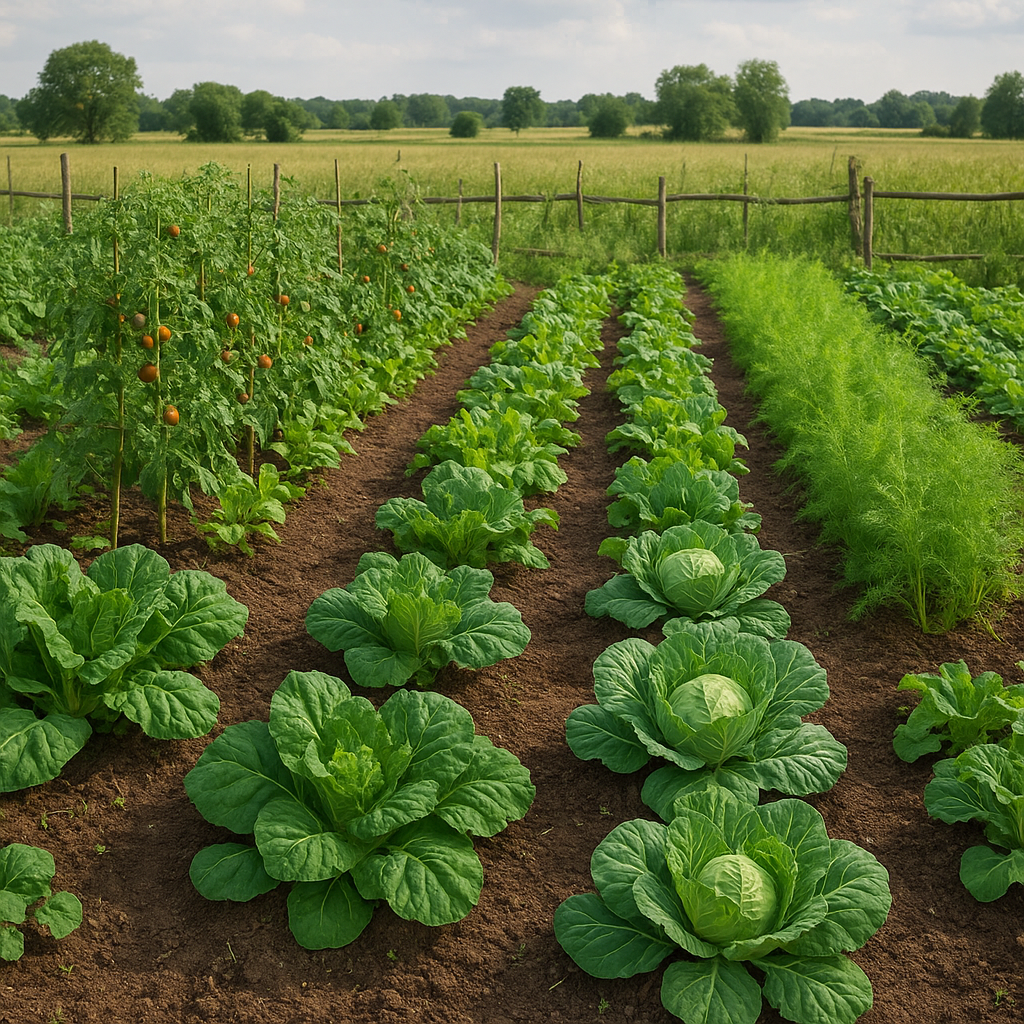
Increasing agricultural productivity is a key challenge for farmers and gardeners seeking to produce more food on shrinking plots. By adopting innovative approaches and embracing proven methods, you can boost your yield while preserving precious resources. This guide explores practical strategies, from selecting the right crops to mastering advanced soil management, all aimed at maximizing output on limited acreage.
Maximizing Land Efficiency through Crop Selection
Choosing the optimal mix of plants is the first step toward higher productivity. Focus on varieties that deliver exceptional returns in small spaces and shorter time frames.
- Intercropping: Pair fast-growing vegetables like radishes with slower-maturing crops such as carrots to make efficient use of every square foot.
- Succession Planting: Sow a new batch of lettuce or spinach every two weeks. This continuous cycle keeps beds productive and avoids downtime.
- Vertical Gardening: Climb peas, beans, and cucumbers up trellises or fences. Vertical gardening multiplies your ground-level planting area and improves air circulation.
- High-Value Crops: Cultivate herbs like basil or cilantro, specialty greens, and microgreens that fetch premium prices at markets.
Selecting Varieties for Performance
When space is at a premium, dwarf or bush varieties offer compact growth without sacrificing output. Choose plants with shorter maturation periods to fit multiple plantings in a season.
Implementing Intensive Cultivation Techniques
Intensive cultivation methods are designed to squeeze maximum productivity from every plot. Combining several tactics can yield dramatic results.
- Square Foot Gardening: Divide your bed into uniform square-foot grids. Each grid hosts a specific crop and planting density, minimizing waste and overcrowding.
- Polyculture Systems: Emulate natural ecosystems by growing diverse species together. This approach enhances biodiversity, reduces disease risk, and improves overall sustainability.
- Container Gardening: Use pots, buckets, and grow bags to expand your planting footprint. Containers are perfect for patios, balconies, and rooftops.
- Intensive Bed Preparation: Turn beds deeply to ensure roots access loose, nutrient-rich soil. Incorporate compost thoroughly for enhanced water retention and soil fertility.
Key Practices in Succession and Relay Planting
Relay planting, where one crop is sown before the previous one is harvested, guarantees uninterrupted harvests. By staggering planting and harvesting dates, you maintain a consistent supply of fresh produce.
Optimizing Soil Health and Nutrient Management
Healthy soils are the foundation of any productive system. Improving soil structure, biology, and nutrient levels leads to robust plant growth and higher yields.
- Composting: Recycle kitchen scraps, yard waste, and animal manure to create rich organic matter. Compost boosts microbial life and provides slow-release nutrients.
- Cover Cropping: Plant legumes like clover or vetch during the off-season. These crop rotation partners fix nitrogen, suppress weeds, and protect against erosion.
- Biochar Addition: Incorporate biochar to increase water-holding capacity and foster beneficial bacteria, contributing to long-term fertility.
- Regular Soil Testing: Monitor pH and nutrient levels to tailor amendments precisely. Over- or under-application of fertilizers can hamper plant development.
Maintaining Optimal Soil Structure
Avoid compacting soil by minimizing heavy machinery and treading on beds. Use raised beds or paths to reduce direct pressure, enabling roots to penetrate deeply and access moisture reserves.
Water Management Strategies for Limited Space
Efficient water management is critical when every drop counts. Adopt systems that deliver moisture directly to root zones and reduce evaporative losses.
- Drip Irrigation: Install drip lines or soaker hoses beneath mulch layers. This targeted approach reduces surface evaporation and fungal issues.
- Rainwater Harvesting: Collect roof runoff in barrels or cisterns. Gravity-fed drip systems or gravity-pots distribute stored water during dry spells.
- Wicking Beds: Build self-watering planters with a water reservoir beneath the soil. Capillary action draws moisture upward as plants need it.
- Mulching: Apply organic mulches—straw, leaves, or wood chips—to suppress weeds, cool soil surface, and limit water loss. Mulching also feeds soil organisms as it breaks down.
Smart Scheduling and Sensor Use
Install moisture sensors or tensiometers to monitor soil water content. Replace guesswork with data-driven irrigation schedules, ensuring plants never endure drought stress or waterlogging.
Effective Pest and Disease Control
Maintaining plant health in constrained environments requires proactive measures against pests and pathogens. A balanced ecosystem and targeted treatments keep issues at bay.
- Integrated Pest Management (IPM): Scout regularly for early signs of infestation. Employ physical controls like row covers and trap crops before resorting to chemicals.
- Beneficial Insects: Encourage ladybugs, lacewings, and parasitic wasps by growing insectary plants such as cosmos and dill.
- Companion Planting: Pair antagonistic species to deter pests. Marigolds discourage nematodes, while garlic repels aphids. Companion planting can significantly reduce pesticide dependence.
- Sanitation: Remove diseased foliage and fallen debris promptly. Compost only healthy plant material to avoid spreading pathogens.
Targeted Biological Controls
Apply microbial inoculants like Bacillus thuringiensis (Bt) for caterpillars or Beauveria bassiana for beetle larvae. These bio-pesticides are safer for humans and non-target species.
Advanced Techniques: Permaculture and Agroforestry Integration
Long-term productivity hinges on design systems that function like natural landscapes. Both permaculture and agroforestry blend crops, trees, and livestock for resilient, multi-layered production.
- Food Forest Layers: Grow groundcovers, shrubs, vines, and canopy trees together. Each layer offers unique yields and ecosystem services.
- Polyculture Guilds: Group plants that support one another—fruit trees with nitrogen-fixing shrubs, pollinator-attracting flowers, and beneficial insect habitats.
- Edge Effect: Maximize output along boundaries where two ecosystems meet. Focus planting along fence lines, hedgerows, and paths for extra harvests.
- Animal Integration: Employ chickens or ducks to manage pests and fertilize beds. Move mobile coops in a planned rotation to distribute manure evenly.
Design Principles for Small-Scale Systems
Map sun patterns, prevailing winds, and water flow before laying out beds. Place high-maintenance or shade-tolerant crops accordingly, optimizing microclimates and labor efficiency.
Economic and Community Benefits
Growing more food on less land not only supports personal self-reliance but also strengthens local food security. Surplus produce can be sold or shared, fostering cooperation and resilience.
- Community Gardens: Join or establish shared spaces where members collaborate on intensive growing methods and share harvests.
- Farmers’ Markets: Offer specialty, high-value products such as microgreens, gourmet herbs, or heirloom varieties to maximize income per square foot.
- Educational Workshops: Host on-site classes in soil health, container gardening, and sustainable practices to spread knowledge and build networks.
Measuring Success
Track metrics such as pounds of produce per square foot, input costs, and resource usage. Continuous monitoring and adjustment ensure steady improvement and higher profitability.