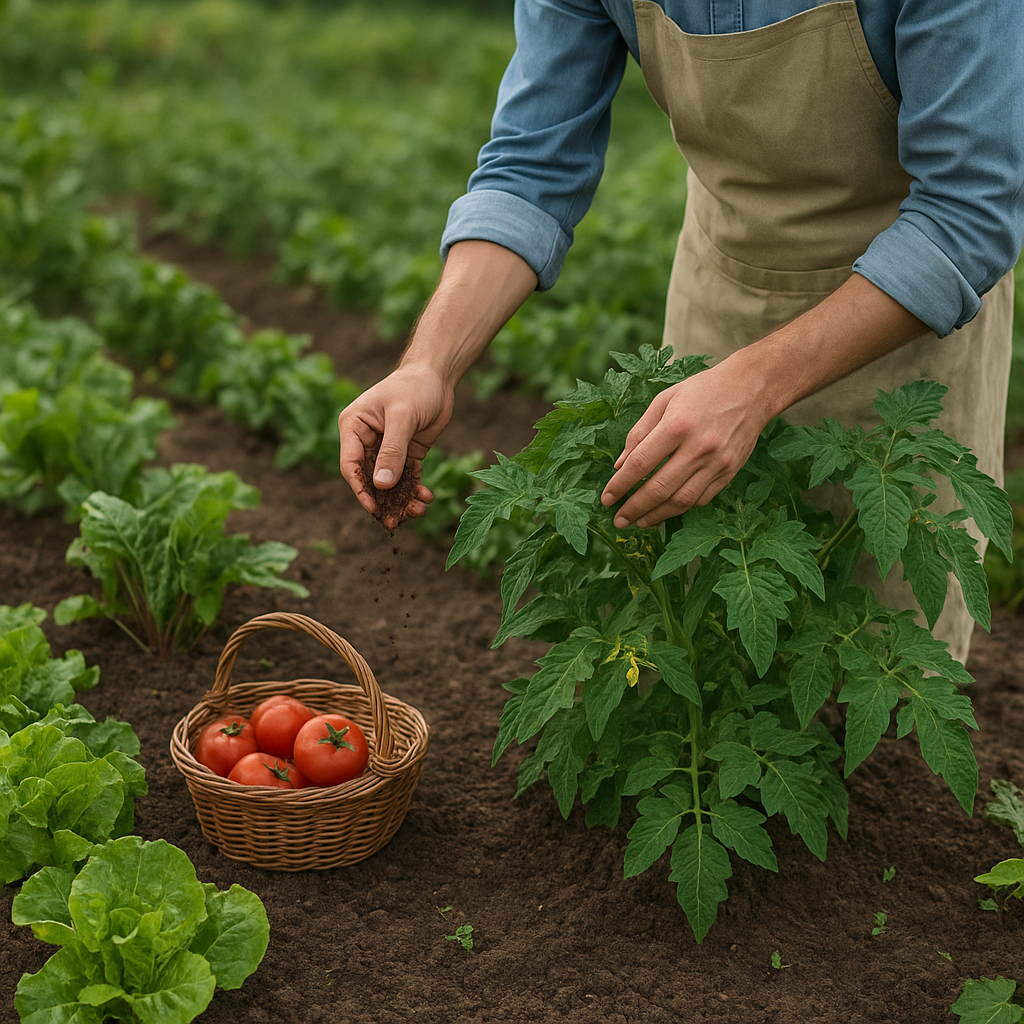
Growing crops without relying on synthetic pesticides is both an art and a science, combining traditional wisdom with modern ecological strategies. By emphasizing natural solutions, farmers and gardeners can foster healthier ecosystems, protect beneficial species, and produce food that is safer for consumers and the environment. This guide covers essential methods to cultivate thriving fields and gardens without conventional chemical interventions.
Understanding Pesticide-Free Agriculture
Transitioning to a pesticide-free system begins with grasping the fundamental principles of ecological balance. At its core, this approach seeks to promote biodiversity and strengthen the innate defenses of plants. Healthy ecosystems naturally regulate pest populations through competition, predation, and environmental checks.
Key Ecological Concepts
- Natural Predators: Birds, spiders, and predatory insects curb herbivore outbreaks.
- Beneficial Insects: Pollinators like bees and parasitoids such as lady beetles enhance yields and reduce pests.
- Crop Rotation: Rotating families of plants thwart pest life cycles and maintain soil health.
By fostering a rich tapestry of life in the field, unwanted herbivores struggle to achieve outbreak levels. This system hinges on monitoring, patience, and a readiness to intervene with targeted, low-impact methods rather than blanket applications of chemicals.
Soil Management and Fertility
Robust plant health often starts beneath the surface. Building living, nutrient-rich soil provides crops with the resilience needed to withstand pests and diseases. Practice these techniques to enhance soil fertility and create a supportive root environment:
- Organic Amendments: Incorporate compost, aged manure, and green manures to boost microbial activity and nutrient availability.
- Cover Crops: Legumes, grasses, and brassicas protect bare ground, suppress weeds, and fix atmospheric nitrogen.
- Mulching: Apply straw, wood chips, or leaf litter to conserve moisture, moderate temperature, and deter soil-dwelling pests.
Regular soil testing guides amendment decisions, ensuring balanced levels of nitrogen, phosphorus, potassium, and essential micronutrients. A well-nourished plant can produce stronger cell walls and secondary metabolites that repel insects naturally.
Biological Controls and Companion Strategies
Employing living organisms and smart plant pairings forms the heart of biological pest control. These methods draw on natural associations in the field to reduce pest pressure while supporting crop growth.
Introducing Predators and Parasitoids
- Release lacewings to combat aphids on vegetable crops.
- Encourage ground beetles by planting refuges and avoiding soil tillage.
- Use nematodes for subterranean caterpillars and grubs in root zones.
Companion Planting Techniques
- Companion Planting: Pair aromatic herbs (e.g., basil, marigold) alongside tomatoes to mask host odors and repel insects.
- Intercropping: Mix fast-growing species with slower ones, creating a patchwork that disrupts pest movements.
- Trap Crops: Sacrifice outer rows of mustard or radish to lure flea beetles away from brassicas.
Strategic plant arrangements can confuse pests, enhance pollination, and improve overall yield. Field margins and shelterbelts planted with nectar-rich flowers attract natural predators and beneficial insects year-round.
Cultural Practices and Physical Barriers
Beyond living allies, hands-on techniques form an essential layer of protection. When applied consistently, these methods minimize pest access and reproductive success.
- Row Covers: Lightweight fabrics exclude insects while allowing air, light, and water to penetrate.
- Handpicking: Regular scouting and manual removal of larvae, eggs, and adult insects can lower infestation levels significantly.
- Pruning and Thinning: Improve air circulation to deter fungal pathogens and remove habitats favored by slugs and beetles.
- Solarization: Clear plastic sheets heated by the sun suppress soilborne pests and weed seeds before planting.
Physical barriers offer immediate protection without introducing foreign chemicals. While labor-intensive, these approaches are ideal for organic market gardens and small-scale farms aiming for premium produce quality.
Integrated Monitoring and Adaptive Management
Successful pesticide-free agriculture relies on vigilant observation and flexible responses. Implementing an integrated pest management framework ensures interventions are data-driven and minimally disruptive.
Scouting and Record-Keeping
- Inspect crop rows biweekly, noting pest presence, plant health, and environmental conditions.
- Use pheromone traps and sticky cards to track insect populations and emergence timing.
- Maintain field logs to correlate interventions with outcomes, refining strategies season by season.
Threshold-Based Actions
- Set economic thresholds for each pest, applying controls only when damage levels justify effort.
- Combine cultural, biological, and mechanical tactics in a tiered approach, escalating only as needed.
- Review results annually to adapt crop choices, planting dates, and field layouts for continual improvement.
Adaptive management transforms each growing cycle into a learning opportunity. By focusing on prevention, ecological harmony, and precise interventions, farmers can achieve consistent yields without conventional pesticides.